
predictive maintenance
Predictive Maintenance Software for Factories
Prevent Machine Failures Before They Happen
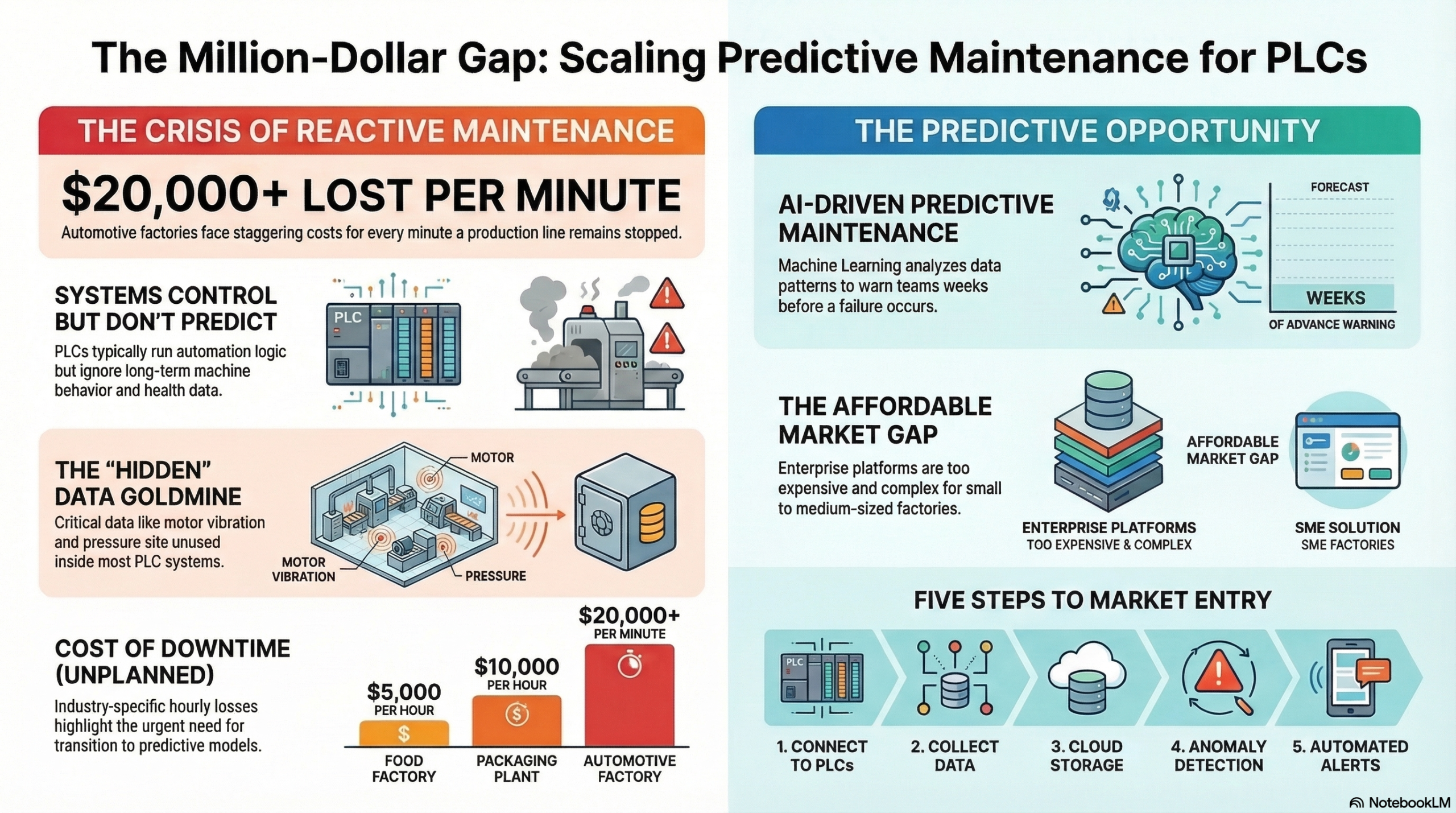
Unplanned machine downtime is one of the biggest problems in manufacturing. When machines stop unexpectedly, production stops, costs increase, and deadlines are missed.
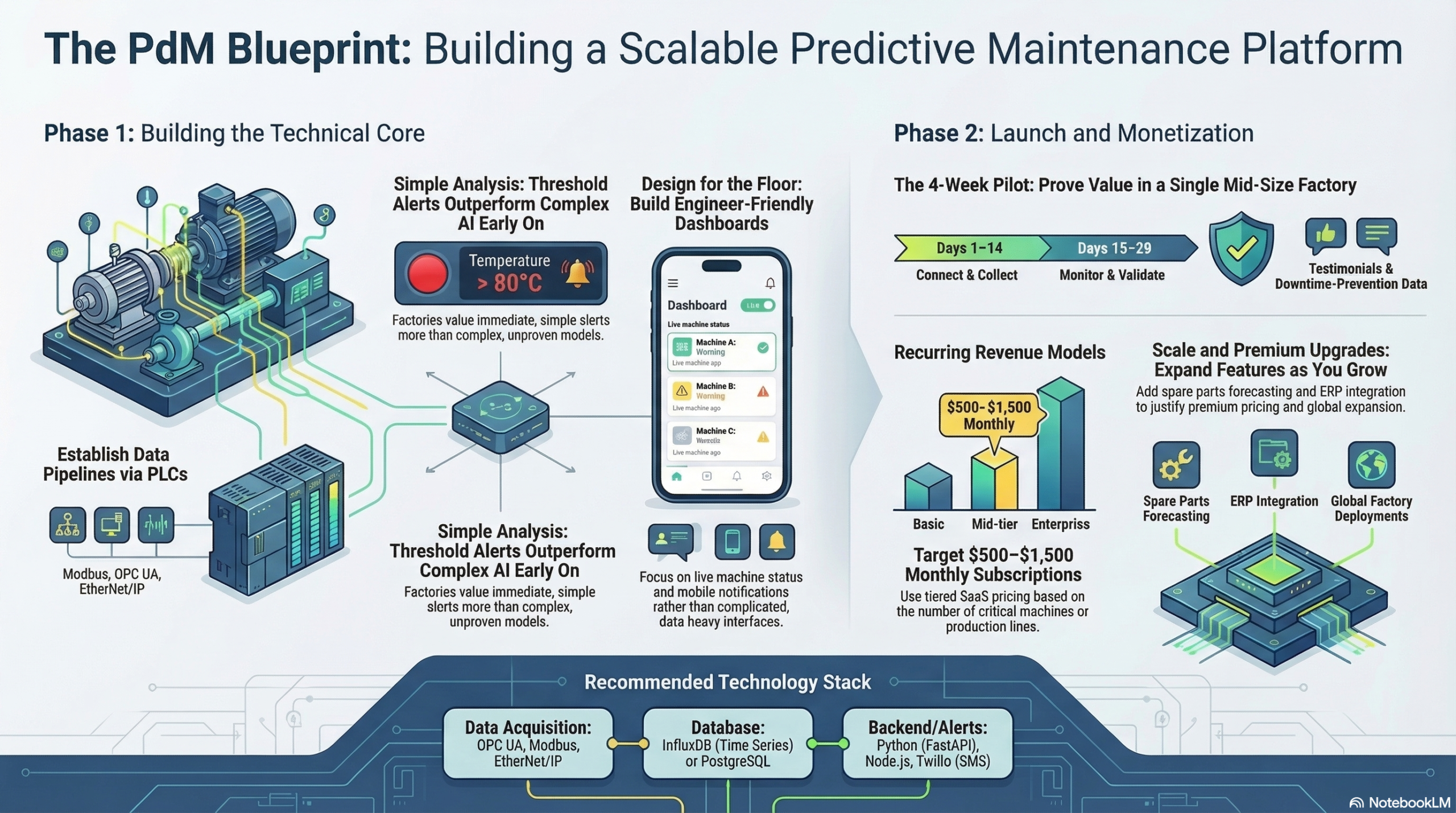
Our Predictive Maintenance Software helps factories detect equipment problems before a failure occurs. By analyzing machine data in real time, the system identifies early warning signs such as overheating motors, abnormal vibration, or electrical anomalies.
Instead of reacting to breakdowns, your factory can predict failures and schedule maintenance in advance.
What Is Predictive Maintenance Software?
Predictive Maintenance Software for Factories
Prevent Machine Failures Before They Happen
Unplanned machine downtime is one of the biggest problems in manufacturing. When machines stop unexpectedly, production stops, costs increase, and deadlines are missed.
Our Predictive Maintenance Software helps factories detect equipment problems before a failure occurs. By analyzing machine data in real time, the system identifies early warning signs such as overheating motors, abnormal vibration, or electrical anomalies.
Instead of reacting to breakdowns, your factory can predict failures and schedule maintenance in advance.
What Is Predictive Maintenance Software?
Predictive maintenance software is a system that continuously monitors industrial equipment and uses advanced analytics to predict when machines are likely to fail.
The platform collects operational data from machines such as:
Motors
Pumps
Conveyors
CNC machines
Industrial robots
PLC-controlled equipment
The software analyzes parameters like:
Temperature
Vibration
Electrical current
RPM (speed)
Machine runtime
Using intelligent algorithms, the system detects patterns that indicate potential machine failure.
When risk is detected, the system immediately sends alerts to maintenance teams.
How Our Predictive Maintenance Platform Works
Our predictive maintenance solution integrates easily with existing factory infrastructure.
Step 1: Machine Data Collection
Machine data is collected from:
PLC systems
Industrial gateways
Edge computers
Sensors
This allows the system to monitor machines without requiring major hardware changes.
Step 2: Real-Time Data Analysis
The software continuously analyzes operational parameters such as:
Motor temperature increases
Vibration abnormalities
Power consumption changes
RPM fluctuations
These signals often appear hours or days before a failure occurs.
Step 3: AI Fault Detection
Advanced machine learning algorithms detect patterns associated with:
Bearing wear
Motor overheating
Mechanical imbalance
Electrical overload
Sensor failures
This allows the platform to identify issues that traditional monitoring systems cannot detect.
Step 4: Instant Downtime Alerts
When the system detects abnormal behavior, alerts are automatically sent via:
Email
SMS
Dashboard notifications
Maintenance teams receive detailed information about the affected machine, allowing them to respond quickly.
Benefits of Predictive Maintenance
Implementing predictive maintenance provides major advantages for factories and industrial plants.
Reduce Unplanned Downtime
Unexpected machine failures can stop production lines for hours or even days. Predictive maintenance helps identify problems early, reducing downtime dramatically.
Lower Maintenance Costs
Instead of replacing parts too early or too late, maintenance can be performed exactly when needed.
Increase Equipment Lifespan
Monitoring machine health prevents severe damage and extends the life of expensive industrial equipment.
Improve Production Efficiency
Factories that adopt predictive maintenance often see significant improvements in overall production performance.
Better Maintenance Planning
Maintenance teams can schedule repairs during planned downtime rather than emergency shutdowns.
Compatible with PLC and Industrial Systems
Our predictive maintenance platform works with many industrial communication systems, including:
PLC systems
OPC UA servers
MQTT data streams
Industrial IoT gateways
Edge computing devices
This flexibility allows the software to integrate with most modern factory environments.
Industries That Use Predictive Maintenance
Predictive maintenance is widely used across many industries including:
Manufacturing
Factories use predictive maintenance to monitor motors, conveyors, and production equipment.
Automotive Industry
Automotive plants monitor robotic assembly lines and machining equipment.
Food Processing
Monitoring pumps, mixers, and refrigeration systems prevents costly production stoppages.
Mining and Heavy Industry
Predictive monitoring helps avoid equipment failures in harsh operating environments.
Why Choose Our Predictive Maintenance Software?
Our system is designed specifically for industrial environments where reliability is critical.
Key features include:
Real-time machine monitoring
Intelligent fault detection
Easy integration with PLC systems
Cloud-based analytics platform
Automated maintenance alerts
Scalable for large factories
The platform can monitor hundreds or thousands of machines simultaneously.
Downtime Prediction Dashboard
The predictive maintenance dashboard provides a clear overview of machine health across the entire factory.
Users can see:
Machine health scores
Real-time sensor data
Failure probability predictions
Maintenance recommendations
This gives plant managers full visibility into production equipment.
Future of Industrial Maintenance
Factories around the world are moving toward Industry 4.0 and smart manufacturing.
Predictive maintenance plays a key role in this transformation by enabling:
AI-driven maintenance decisions
Connected factory systems
Data-driven operations
Reduced operational costs
Companies that adopt predictive maintenance gain a major competitive advantage.
Request a Demo
If you want to reduce downtime and improve factory efficiency, our predictive maintenance software can help.
Contact us today to schedule a demo and see how predictive maintenance can transform your industrial operations.
Predict machine failures before they happen and keep your factory running smoothly.